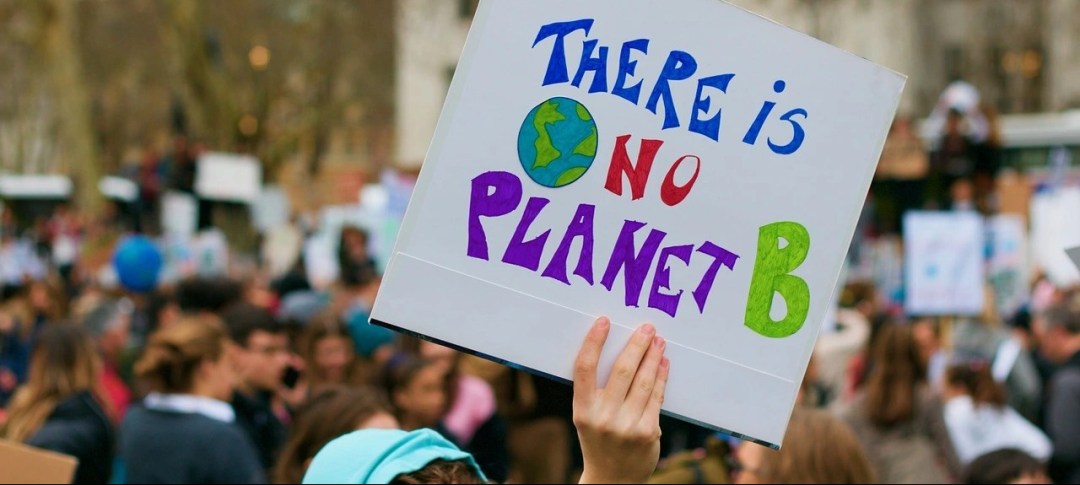
The decision to quit a job over climate concerns doesn’t happen overnight—it’s usually a slow process. Companies can counteract climate quitting by developing a realistic and serious sustainability strategy.
In a previous article, I discussed how Climate Quitting—leaving a job because a company isn’t doing enough for the environment—is becoming a major issue, especially in industries where talent is highly competitive. Young professionals, in particular, are the ones quitting because they can easily find jobs elsewhere. This doesn’t just lead to a shortage of skilled workers; it also results in a loss of innovation, as young talent often brings fresh, groundbreaking ideas.
A Gradual Process
Climate quitting doesn’t happen from one day to the next. The resignation itself is just the final step—before that, it’s a slow, step-by-step journey. One of my master students, Celina Borko, studied this process in more detail. Here’s what she found based on in-depth interviews with 17 people who became climate quitters.
Varying expectations
When people quit their jobs for climate reasons, it’s not always because they came in with strong sustainability expectations. Many actually develop these values while working at the company. So, climate quitting isn’t just about hiring the “right” people from the start—it’s something that can happen at any stage of employment. In fact, most of the employees we talked to had been with their company for years before making the decision to leave. That means both those who already care about sustainability and those who don’t initially prioritize it can end up quitting for climate reasons.
What Triggers Climate Quitting?
At some point, climate quitters start questioning whether their company’s actions align with their sustainability values. The most common trigger is disillusionment with broken sustainability promises. One young employee at a large corporation shared her disappointment: During her job interview, she made it clear that climate action was a top priority for her. She was even told that this commitment was one of the reasons she got hired. A year later, however, she realized that while sustainability ideas were welcomed, actual business decisions were still being made purely based on financial factors.
Beyond personal disappointment, external influences also fuel the idea of climate quitting. Activists like Luisa Neubauer (Fridays for Future Germany) openly call on people to avoid working for environmentally harmful companies. Public figures like Eckart von Hirschhausen argue that it’s tough to try and “save the world as a volunteer while others destroy it as their full-time job.” Messages like these empower young people—many of whom feel powerless—to align their careers with their values.
Once employees start questioning, they experience cognitive dissonance—internal discomfort of feeling like their job contradicts their values. To ease this tension, they try different strategies: pushing for sustainability from within, shifting to greener projects, or even engaging in workplace activism. In fact, many employees first try to drive change from within before making the drastic decision to leave. But if those efforts fail, they start thinking seriously about leaving.
Exploring the Next Move
Once employees decide they might need to quit, they begin actively looking for other options. At this stage, their connection to the company—their organizational commitment—plays a key role. But unlike in typical job turnover scenarios, high commitment doesn’t necessarily keep them in the company. Even employees who feel loyal to their organization may still leave if they see a fundamental mismatch in sustainability values. In other words, a strong attachment to the company isn’t enough to override the feeling that they’re working for the “wrong” side when it comes to climate issues.
The Final Exit
When employees actually decide to leave for climate reasons, it’s usually not an impulsive move. It’s a thought-out process with clear steps. Many start by learning more about climate change, distancing themselves emotionally from the company, or wrapping up their projects properly. These steps actually reduce their sense of commitment over time: they stop feeling responsible for the company’s future (normative commitment), they make leaving easier by preparing for a new job (continuance commitment), and they emotionally detach from the company (affective commitment). In the end, climate quitting isn’t just about rejecting bad employers; it’s about people realizing they can—and should—work somewhere that aligns with their values.
How Companies Can Prevent Climate Quitting
To prevent climate quitting, companies need a clear, comprehensive, and realistic sustainability strategy—and they need to follow through on it. Setting overly ambitious goals that never materialize won’t help, but neither will small, surface-level changes that don’t impact the company’s core business. Employees who care deeply about sustainability are often highly knowledgeable about what needs to be done—and they expect the company to take real, meaningful action.
Once sustainability goals are set, leaders play a key role in making them a reality. That means managers need to:
- Understand and support these values within their own teams.
- Lead by example. If a company publicly claims to prioritize sustainability but its managers act differently, the entire strategy loses credibility.
- Stay engaged with employees. Both direct supervisors and HR departments should actively listen to employees’ concerns about climate action—through informal conversations, annual reviews, or internal surveys.
HR teams can also help by:
- Creating dedicated sustainability roles.
- Building internal expertise on climate action.
- Shaping company culture to make sustainability a central priority.
At the end of the day, retaining environmentally conscious employees isn’t just about keeping talent—it’s about making sure the company is genuinely moving in the right direction.
Reference
Borko, Celina (2024) Climate Conscience at Work : A Process Model of Value-Driven Employee Turnover in the Context of Ecological Sustainability. https://essay.utwente.nl/104662/

 Dr. Barbara Kump
One thought on “How Climate Quitting unfolds – and how to prevent it”